
What CBAM is and why it matters
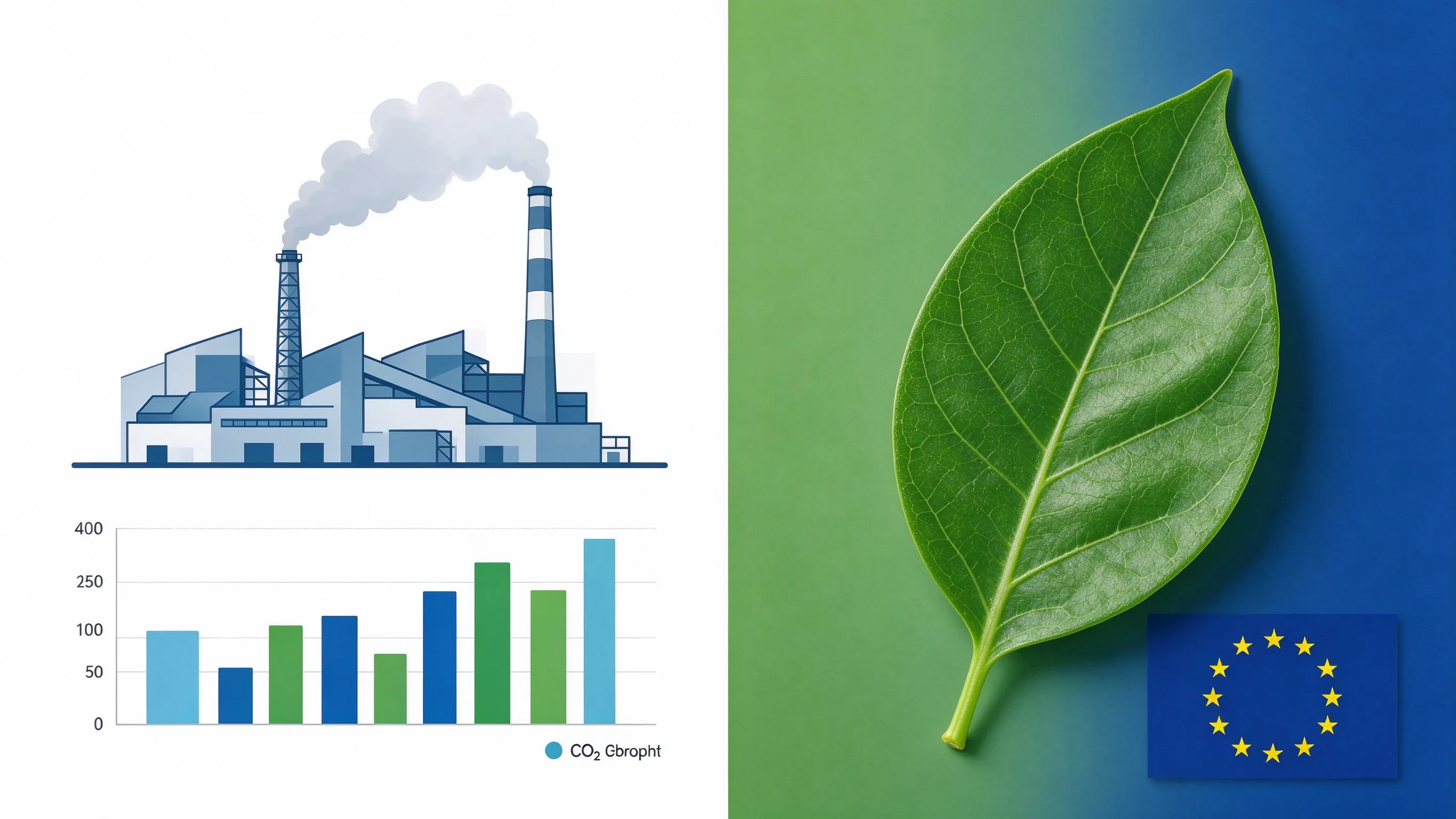
The EU Carbon Border Adjustment Mechanism (CBAM) took effect in 2025 and is now in its second year. Core logic: carbon-intensive imports pay for embedded emissions, matching the carbon cost of EU producers.
First sectors: steel, aluminum, cement, fertilizers, electricity, hydrogen. It will expand to fasteners, machinery parts, and downstream goods. Most Chinese industrial exporters to the EU will be affected.
What companies encountered in year one
2025 was transitional—only reporting, no payments. In 2026, requirements tightened. Common issues from our clients:
- Do not know how to calculate product carbon footprint; no internal data
- Upstream suppliers cannot provide carbon data
- EU buyers now require CBAM data or will not order
- Uncertain about 2027 payment costs and pricing
5 actions to take now
1. Confirm if your products are in scope
Check CN codes against the CBAM list. Different specs within a category may differ. Ask a freight forwarder or compliance consultant.
2. Build a carbon data system
Core work: record raw material sources, energy use (electricity, coal, gas), processes, and transport. Hire a third party for a formal product carbon footprint report.
3. Coordinate with upstream suppliers
CBAM data traces to raw materials. Ask steel, aluminum, and chemical suppliers for carbon data. Large suppliers are preparing; smaller ones may need your push.
4. Add carbon cost to pricing models
From 2027, CBAM certificates are purchased at EU carbon prices. Estimate per-ton cost from your footprint and reserve margin now.
5. Consider emissions reduction
Long-term, carbon costs rise. Use green electricity, improve efficiency, optimize processes—lower CBAM cost and a selling point to EU buyers.
Impact by company type
- Large direct steel/aluminum exporters: biggest impact; dedicated compliance person needed
- SME fastener/parts makers: not fully mandatory yet, but downstream buyers will pass requirements down
- Factories exporting through traders: traders will demand data; it is not unrelated
FAQ
Q: How much will CBAM cost?
A: From 2027, cost = embedded emissions × EU carbon price (EUR 60–90/ton recently), adjusted for free allocation.
Q: What if I do not report?
A: During transition, customs requires retroactive filing; serious cases face fines or cargo holds. After full implementation, missing data may block clearance.
Q: Cost of third-party carbon accounting?
A: Single product footprint: USD 3k–12k depending on complexity. Start with core export products.
Want to apply this to your business?
Talk with GOWM about your target market, products and current marketing setup.
Discuss Your Goals↗