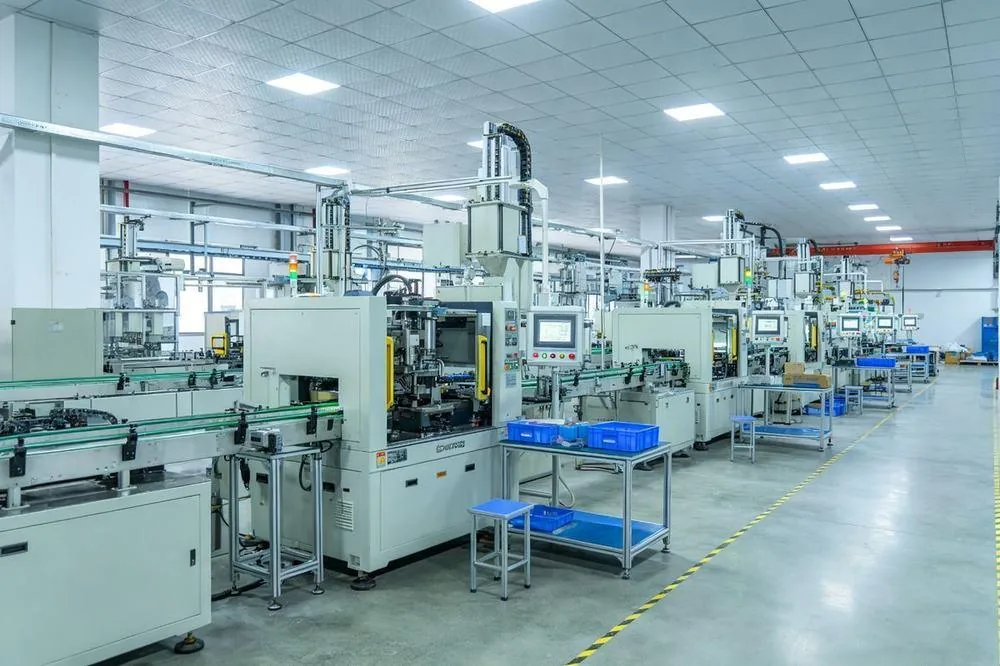
Supplier verification is a critical risk-control step in international sourcing. A professional-looking website or online profile does not by itself prove that a company operates the factory, owns the equipment or can deliver the claimed products.
1. Common Sourcing Risks
- Fake company information: Fraudulent registration details or impersonated businesses.
- Trading company presented as a factory: The commercial intermediary may not control production, quality or delivery.
- Misleading factory images: Website photos may not represent the current operating facility.
- Payment fraud: Requests to send funds to private accounts or unrelated entities should be treated as a major warning sign.
2. Practical Verification Steps
Check Business Registration
Confirm the legal company name, registration status, operating scope and address through appropriate official or reliable business-information sources.
Request a Live Video Tour
Ask the supplier to demonstrate production areas, equipment and staff in real time. Compare the details with the information presented online.
Conduct an Independent Site Visit
An independent local visit provides stronger evidence of the actual factory, production capability and business operation.
Validate Documents and Contacts
Review licenses, certifications, bank-account information and contact details carefully before signing or paying.
3. When to Use Third-Party Verification
For high-value orders, new suppliers or strategically important sourcing relationships, an independent site audit can provide additional evidence and help identify risks before money or production commitments are made.